
How Annual Dryer Vent Inspections Support Long-Term Operations
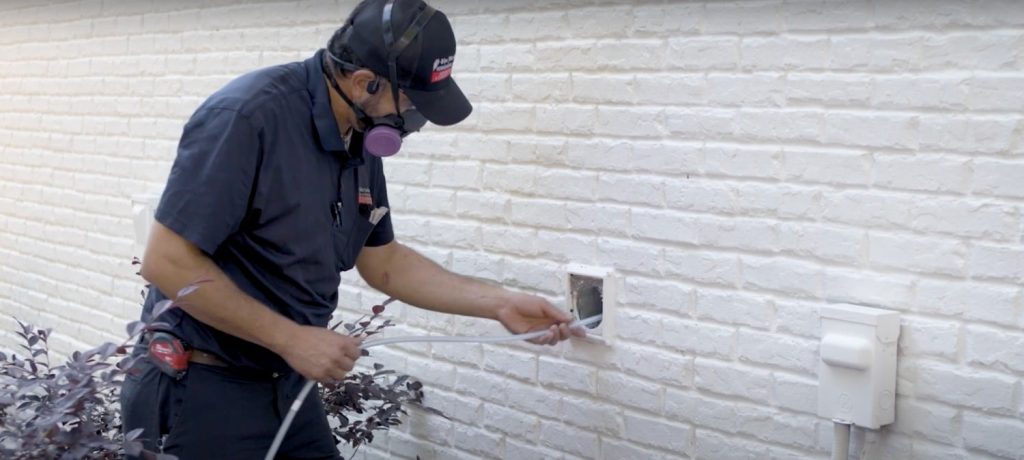
Table of Contents
Dryer vent inspections and cleanings should not be seen as reactive services, but rather as an operational maintenance item that should be scheduled and budgeted for annually. In multi-unit properties, dryer vents function as shared exhaust systems that quietly accumulate lint, restrict airflow, and degrade performance over time. When they are overlooked, the result is not always immediate failure, but mounting operational strain, code exposure, and preventable complications.
Folding dryer vent inspections into the annual budget helps property owners and managers maintain consistency, control costs, and reduce avoidable disruptions across the building.
Why Dryer Vents Require Planned Annual Attention
Dryer vents behave differently from most building systems because their issues develop out of sight. Lint, moisture, and heat combine inside vent lines every time a dryer is used, and those materials do not exit the system entirely on their own. In apartment buildings, especially those with long horizontal runs, vertical stacks, or shared exhaust points, this buildup compounds faster than many property teams realize.
Industry organizations such as the U.S. Fire Administration and appliance manufacturers consistently identify failure to clean dryer vents as a leading contributing factor in dryer-related incidents. Annual inspections are not about responding to emergencies – they are about identifying conditions early, before airflow restrictions, overheating, or mechanical strain spread across units.
What Annual Dryer Vent Inspections Can Address
A professional dryer vent inspection evaluates far more than just visible lint. It examines how the entire system is functioning from appliance connection to exterior termination, with attention to design limitations common in multi-unit buildings.
Airflow Restrictions Inside the Vent System
Over time, lint adheres to the interior walls of vent piping, narrowing the effective diameter of the duct. In apartment buildings with long runs or multiple turns, even moderate buildup can significantly reduce airflow. Restricted airflow forces dryers to operate longer and at higher temperatures, placing unnecessary strain on internal components and increasing wear across multiple units.
Moisture Retention and Condensation Issues
When airflow is limited, warm, moist air lingers inside the vent rather than exhausting efficiently outdoors. This trapped moisture can contribute to corrosion, mold-friendly conditions inside ducting, and deterioration of vent connections. Annual inspections help identify areas where condensation is forming, allowing corrective action before damage escalates.
Improper or Damaged Vent Connections
In multi-unit properties, dryer vents may pass through walls, ceilings, or shared chases. Over time, connections can loosen, sag, or separate—especially when vents are clogged and heavier due to lint accumulation. Inspections identify compromised joints that may otherwise go unnoticed until performance complaints arise.
Exterior Termination Blockages
The exterior vent hood is a frequent failure point. Lint buildup, damaged louvers, pest intrusion, or improperly installed covers can prevent proper exhaust. Annual service ensures the system can discharge air as designed, rather than forcing heat and moisture back into the building.
Why Budgeting for Dryer Vent Service Makes Operational Sense
Treating dryer vent inspections as a line item rather than a surprise expense provides measurable benefits for property operations. Budgeting early allows inspections and cleanings to be scheduled methodically, without rushing or disrupting residents during peak usage periods.
From a management standpoint, annual planning also supports documentation. Having records that show dryer vent systems are inspected and maintained on a regular schedule demonstrates diligence and alignment with recommended maintenance practices from industry and appliance authorities. This consistency reduces last-minute vendor calls, emergency pricing, and resident dissatisfaction caused by avoidable dryer issues.
Signs Dryer Vent Issues Are Already Developing
Even when problems are not visible, there are often subtle indicators that vent systems are under strain. These warning signs are vital in apartment communities, where patterns emerge across multiple units.
Dryers take longer to complete cycles, even after lint screens are cleaned.
Excess heat in laundry rooms or closets, indicating restricted exhaust.
Lint accumulation around exterior vent openings or on building surfaces.
Musty or warm odors near dryers, suggesting moisture is not venting properly.
Repeated appliance service calls for similar dryer complaints across units.
These symptoms rarely resolve on their own and often indicate vent conditions that warrant professional evaluation.
How Annual Dryer Vent Maintenance Fits Into a Long-Term Plan
Including dryer vent inspections in the annual maintenance calendar simplifies decision-making. Rather than reacting to resident complaints or performance failures, property teams can rely on a predictable schedule that supports consistent system operation year after year.
Many apartment owners choose to coordinate dryer vent inspections with other annual services, such as chimney and fireplace inspections in properties that offer fireplaces. Combining services into a single visit minimizes disruption, reduces administrative overhead, and keeps building systems aligned under one maintenance plan.
Schedule Dryer Vent Inspections With The Mad Hatter
For apartment owners and property managers, dryer vent inspections are most effective when treated as part of a coordinated annual maintenance strategy. Scheduling dryer vent inspections and cleanings alongside chimney and fireplace inspections during the same service visit can improve efficiency, reduce scheduling complexity, and streamline record-keeping across building systems.
The Mad Hatter works with multi-unit properties to deliver professional dryer vent inspections and cleanings designed around operational planning rather than urgency. By integrating these services into a predictable annual process, property managers can support long-term system performance while simplifying maintenance oversight across their portfolios.
If your property includes fireplaces, we can also perform chimney and fireplace inspections during the same visit to streamline annual maintenance planning. Contact The Mad Hatter to schedule dryer vent service and put this essential system on a predictable, manageable schedule for the year ahead.
FAQ About Annual Dryer Vent Inspections & Cleanings
How often should dryer vents be inspected in apartment buildings?
Dryer vents should be inspected at least once per year. Annual inspections help identify lint buildup, airflow restrictions, and wear before they interfere with normal dryer operation or require larger corrective work.
Why are annual dryer vent inspections important for long-term operations?
Annual inspections allow property teams to plan maintenance proactively instead of reacting to problems mid-year. When dryer vent service is built into the yearly budget, it becomes a predictable operational task rather than an unexpected expense.
Do dryer vents need to be cleaned every year, or only inspected?
In many cases, inspections and cleanings go hand in hand. An inspection determines the condition of the vent system, and if buildup is present, cleaning can be performed at the same time to restore proper airflow.
What issues are commonly found during dryer vent inspections?
Inspectors often find lint accumulation, disconnected or crushed vent lines, improper materials, and termination points blocked by debris. These issues can affect dryer performance and increase wear on equipment if left unaddressed.
Are dryer vent inspections required by code or industry standards?
Organizations such as the U.S. Fire Administration and appliance manufacturers consistently recommend regular dryer vent maintenance. Many property managers treat annual inspections as a best practice aligned with building operations and liability management.
Can dryer vent inspections be coordinated with other building services?
Yes. Dryer vent inspections are often scheduled alongside chimney and fireplace inspections to streamline maintenance visits. Coordinating services can reduce disruption and simplify annual planning.