Chimney and Fireplace Safety Tips For The Holidays
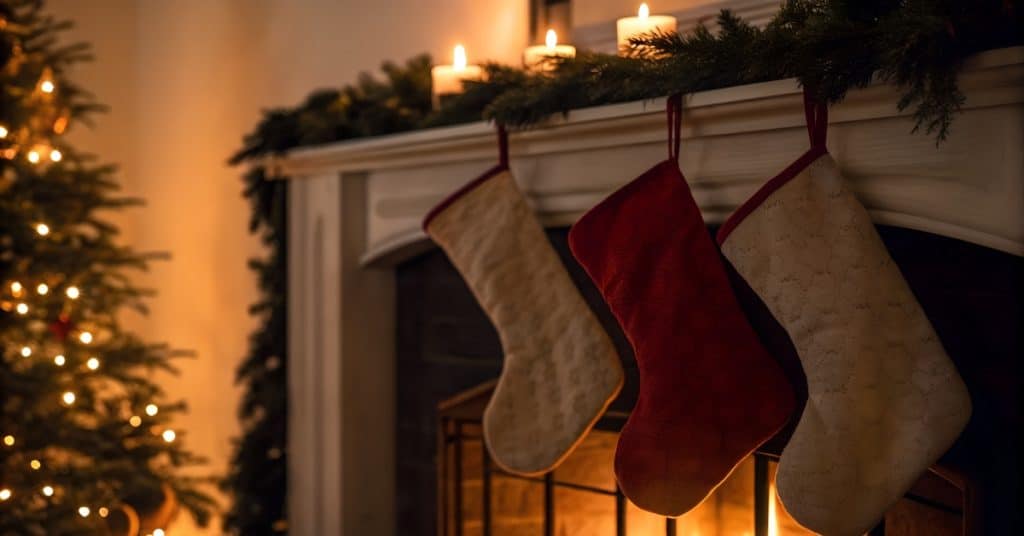
Table of Contents
Holiday traditions naturally bring people together around the fireplace, which means longer burn times, more frequent fires, and added décor around the mantel and hearth. These chimney and fireplace safety tips for the holidays focus on reducing risks, improving performance, and ensuring your system is ready for heavier winter use.
Essential Chimney and Fireplace Tips for the Holiday Season
Before you start burning fires for Thanksgiving and Christmas gatherings, it’s important to reset your fireplace maintenance routine for the season. The following chimney and fireplace safety tips help reduce common holiday-season issues such as creosote buildup, smoke problems, or heat damage.
Have Your Chimney and Fireplace Inspected Annually
An annual chimney inspection is the foundation of holiday fireplace maintenance. Throughout the year, creosote accumulates inside the flue, animals may nest in the chimney, masonry can crack, and moisture can seep into critical components. A professional inspection identifies these issues early so they can be addressed before you begin burning frequent fires. Atlanta homeowners often wait until the first cold snap to schedule an inspection, which causes significant scheduling delays. Handling it before the holiday rush ensures your chimney is clear, functional, and prepared for regular use.
Double-Check Smoke and Carbon Monoxide Detectors
Longer burn times make working smoke alarms and carbon monoxide detectors essential during the holidays. Even a properly functioning fireplace can release small amounts of smoke or gases if the damper isn’t fully open, the flue is partially obstructed, or airflow is restricted. Before the season begins, test your detectors, replace batteries, and confirm that the units are installed in key areas, such as hallways, bedrooms, and near the fireplace. A properly working alarm helps alert your household to potential issues early, which is especially important during holiday gatherings when distractions are common.
Burn the Correct Type of Wood (Dry, Seasoned Hardwood)
Burning seasoned hardwood is crucial for reducing creosote buildup and ensuring your fire burns efficiently. Woods like oak and hickory produce hot, clean burns when properly dried for at least six months. In contrast, green or damp wood smolders, creates heavy smoke, and contributes to faster creosote accumulation. Softwoods like pine, especially unseasoned pine, contain high sap content that produces sticky residue and strong odors.
Choosing the right wood not only improves performance but also helps minimize issues inside the chimney throughout the holiday season.
Consider Using a Fireplace Screen or Glass Doors
A fireplace screen helps reduce the risk of sparks or embers leaving the firebox, protects flooring and nearby décor, and provides a barrier between the flame and anyone approaching the hearth. Glass doors can also help stabilize airflow, improve burn efficiency, and prevent stray embers from escaping. During the holidays, when garlands, stockings, and decorations are often placed near the mantel, a protective barrier becomes even more valuable. We can help you get these for your home.
Mind the Mantel and Hearth Décor
Holiday decorations are a cozy part of the season, but they can increase risks when placed too close to the fireplace. Stockings, garlands, ribbons, candles, and decorative greenery can shift or fall toward the firebox when exposed to heat.
As a rule, décor should be positioned high enough and far enough away from the opening to avoid exposure to direct heat, embers, or airflow. Before lighting a fire, double-check that nothing has slid closer to the edge – especially lightweight holiday items.
Put Out the Fire Before Going to Bed or Leaving the House
A fire should always be fully extinguished before you go to sleep or leave your home for holiday activities. Even glowing embers can release heat and smoke long after flames appear to be gone. After the fire has burned down, spread out remaining embers, allow them to cool, and seal them inside a metal container with a lid. Store the container outdoors and away from your home’s exterior. This prevents lingering heat from interacting with flammable materials, helping keep your hearth area cleaner and easier to maintain throughout the season.
Additional Tips to Keep Your Fireplace Running Smoothly All Season
Even with proper maintenance, fireplaces require careful operation to reduce risks during the holidays. A few additional precautions can improve performance and reduce issues:
Keep the damper fully open whenever the fireplace is in use, ensuring proper ventilation and preventing smoke from entering the room.
Avoid overloading the firebox, as too much wood can restrict airflow and lead to incomplete burns.
Never burn holiday wrapping paper or packaging, since inks and coatings produce unpredictable flames and excessive residue.
Maintain a clear zone around the hearth, especially during gatherings with children or pets.
Allow fresh air to circulate periodically, especially if your home is sealed tightly during colder weather.
Why Choose The Mad Hatter for Holiday Fireplace Service
The Mad Hatter has assisted Atlanta homeowners for decades with expert chimney inspections, fireplace maintenance, repairs, and installations. Our technicians are certified, highly trained, and experienced in identifying issues that commonly arise during the holiday burn season. Whether you need a pre-season cleaning, a full chimney inspection, or support preparing your system for holiday use, our team delivers professional, thorough service that helps reduce risks and improve performance. We also offer gas logs, fireplace accessories, custom chimney caps, and other solutions to enhance your home’s fireplace.
Schedule Your Chimney Cleaning Before the Holiday Rush
The weeks before Thanksgiving and Christmas are the busiest of the year’s fireplace season. Appointments book quickly, and delaying service can leave you waiting long after the cold weather arrives.
Contact The Mad Hatter today to schedule your service and get your chimney prepared for the season.
FAQ About Preparing a Chimney and Fireplace For The Holidays
Do I need a chimney inspection every year?
Yes, most homes benefit from an annual chimney inspection. A yearly inspection helps identify creosote buildup, structural issues, or blockages before the busy winter season. Even if you don’t use your fireplace often, animals, moisture, and debris can still enter the flue and affect performance.
What kind of wood should I burn during the holidays?
Burn dry, seasoned hardwoods like oak or hickory whenever possible. Seasoned hardwood burns hotter, cleaner, and produces less creosote. Avoid burning softwoods like pine or any woods that are wet, green, or treated, as they create excess smoke and residue inside the chimney.
How often should I clean out fireplace ashes?
Ashes should be removed regularly, ideally every few fires. A small layer of ash can help insulate embers, but too much ash restricts airflow and affects fire quality. Always dispose of ashes only after they’ve cooled fully in a metal container stored away from the home.
Why is a fireplace screen useful during holiday gatherings?
A fireplace screen helps prevent sparks and embers from leaving the firebox. It also helps keep children and pets at a safer distance from active flames, especially when hosting guests or decorating around the hearth.
Do holiday decorations near the fireplace create any risks?
Yes, certain decorations can create risks if placed too close to the hearth. Stockings, garland, and holiday décor should be hung at a reasonable distance from active flames. Heat exposure can cause materials to warp, melt, or become damaged over time. Always keep the hearth area clear when a fire is burning.
Can Santa fit down a dirty chimney?
He can’t. Creosote makes it hard to slide down, and soot gets his suit dirty. Be sure to schedule a chimney cleaning before he arrives!