
Can a Clogged Dryer Vent Increase Indoor Humidity?
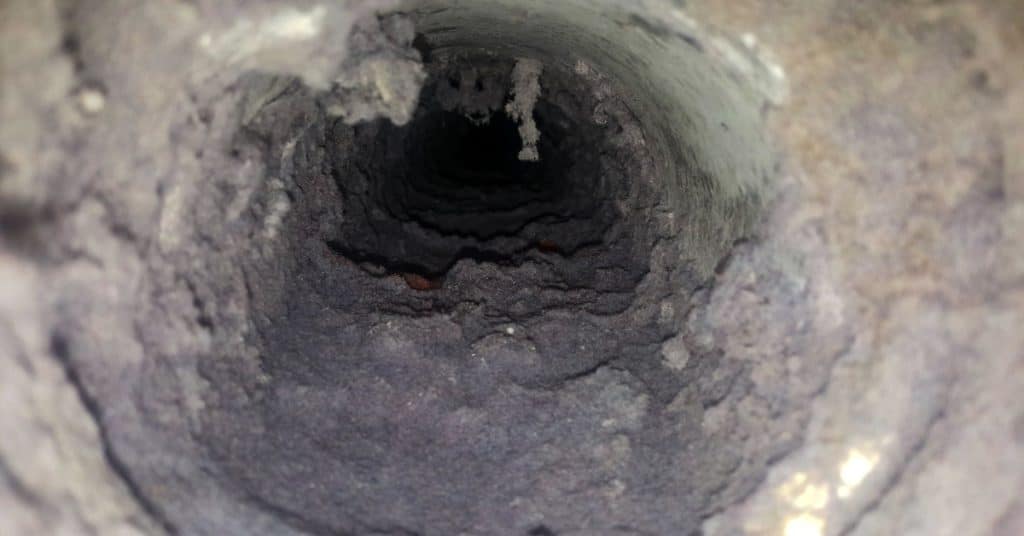
Table of Contents
Yes — a clogged or restricted dryer vent can contribute to increased indoor humidity. When warm, moisture-filled air from the dryer cannot properly exhaust outdoors, that moisture may begin to linger inside the laundry area instead of being fully vented outdoors. Over time, this can make indoor spaces feel warmer, more humid, and less comfortable.
Many people associate dryer vent issues only with longer drying times or lint buildup, but ventilation problems can also affect the overall indoor environment. Proper airflow through the dryer vent system helps remove heat and moisture efficiently, which is why keeping the vent clean and unobstructed is important for maintaining dryer performance.
How Dryer Vents Remove Heat and Moisture
Every time a dryer runs, it generates warm air and pulls moisture out of clothing during the drying cycle. That moisture has to go somewhere, which is why dryer vent systems are designed to carry humid air safely outside the building through a dedicated exhaust pathway.
When airflow moves properly through the vent, moisture exits efficiently, and the dryer can complete cycles as intended. However, when lint buildup or airflow restrictions develop inside the vent line, the system becomes less effective at exhausting that warm, damp air.
Restricted Airflow Can Trap Moisture Indoors
As lint accumulates inside the vent system, airflow becomes more restricted, and the dryer has to work harder to push air outside. In some cases, this can cause excess heat and humidity to linger near the laundry area rather than fully exhaust outdoors. The result may be a room that feels unusually warm, humid, or uncomfortable during dryer operation.
This issue can become more noticeable in enclosed laundry rooms or areas with limited ventilation. Over time, repeated exposure to excess moisture can lead to stale indoor conditions and higher humidity in nearby spaces.
Longer Drying Cycles Often Mean More Moisture in the Air
One of the most common signs of restricted dryer vent airflow is clothing taking longer to dry than normal. When the vent cannot exhaust efficiently, the dryer may require multiple cycles to remove the same amount of moisture from fabrics.
The longer the dryer runs, the more warm air and humidity are generated within the system. If airflow remains restricted during those extended cycles, indoor humidity levels can continue to build rather than be properly vented outside.
Signs Your Dryer Vent May Be Contributing to Indoor Humidity
Humidity-related dryer vent issues often develop gradually, which means the warning signs can be easy to overlook at first. In many cases, the dryer itself still appears to function, even though airflow efficiency has started to decline.
Paying attention to environmental changes around the laundry area can help identify ventilation issues before they become more severe.
Some of the Most Common Indicators Include:
- The laundry room feels hot or humid during dryer operation
- Clothes take longer than normal to dry
- Condensation appears near the dryer area
- The dryer feels unusually hot after a cycle
- There is a musty or damp smell near the laundry space
- Lint buildup is visible around the exterior vent opening
While these symptoms do not always confirm a clogged dryer vent, they often indicate that airflow should be professionally evaluated.
Clogged Dryer Vents Also Increase the Likelihood of a Dryer Fire
Restricted airflow does more than affect humidity and dryer performance — it also increases heat buildup inside the dryer vent system. As lint accumulates and airflow becomes obstructed, the dryer has to work harder and run hotter to push moist air through the vent line. Over time, this combination of trapped heat and highly combustible lint creates conditions that can significantly increase the likelihood of a dryer fire.
This is one of the primary reasons appliance manufacturers and fire prevention organizations widely recommend annual dryer vent inspections and cleanings. Even systems that appear to be functioning normally may contain substantial lint buildup deeper within the vent line, where it cannot be seen during everyday use.
Lint Buildup Creates a Combustible Environment
Lint is extremely dry and lightweight, which allows it to ignite more easily than many people realize. As airflow becomes restricted, heat can accumulate inside the dryer and vent system instead of dissipating properly through the exhaust pathway. This creates an environment where lint buildup is exposed to prolonged high temperatures during repeated dryer cycles.
The risk increases when dryers are forced to run longer because of blocked ventilation. Multiple back-to-back cycles generate additional heat while continuously introducing more lint into the system, further increasing strain on the dryer and the vent line itself.
Schedule Professional Dryer Vent Cleaning With The Mad Hatter
Professional dryer vent cleaning removes accumulated lint and debris throughout the vent system, helping restore proper airflow and allowing heat to exhaust more efficiently. When air can move freely through the vent line, the dryer does not need to work as hard or run as long to dry clothing properly. In addition to improving performance, routine professional cleaning helps reduce the conditions that contribute to excessive heat buildup inside the system. This supports safer long-term dryer operation while helping maintain proper ventilation throughout the property.
The Mad Hatter provides professional dryer vent cleaning services to remove buildup, improve airflow, and support proper ventilation. If your laundry area feels unusually humid or your dryer is taking longer to dry clothes, scheduling a professional evaluation is a practical next step. Contact us to get started with your service.
FAQ About The Effect Clogged Dryer Vents Have On a Home
Can a clogged dryer vent really increase indoor humidity?
Yes. When a dryer vent becomes restricted, warm moisture-filled air may not exhaust outside as efficiently as intended. This can cause heat and humidity to linger around the laundry area, especially during longer drying cycles or in enclosed spaces with limited ventilation.
Why does my laundry room feel hot when the dryer is running?
A laundry room that becomes excessively warm during dryer operation is often a sign of restricted airflow within the vent system. When heat and moisture cannot properly exit through the dryer vent, they may begin accumulating indoors instead of exhausting outside.
How often should a dryer vent be professionally cleaned?
Most dryer vents should be professionally inspected and cleaned annually. However, systems with heavy use, longer vent runs, multiple bends, or higher lint accumulation may require more frequent evaluation to maintain proper airflow and ventilation performance.
Can a clogged dryer vent make clothes take longer to dry?
Yes. Restricted airflow prevents the dryer from efficiently removing moisture from clothing, which often leads to longer drying times or the need for multiple cycles. This is one of the most common warning signs of a blocked or partially clogged dryer vent.
Does cleaning the lint trap prevent dryer vent buildup?
Cleaning the lint trap is important, but it does not prevent all lint from entering the vent system. Fine lint particles regularly bypass the lint screen and gradually accumulate inside the vent line over time, which is why professional vent cleaning is still necessary.
Can clogged dryer vents increase the likelihood of a dryer fire?
Yes. Lint is highly combustible, and restricted airflow can cause heat to build up inside the dryer vent system. When lint accumulation combines with excessive heat, the likelihood of a dryer fire increases significantly.
What happens during a professional dryer vent cleaning?
Professional dryer vent cleaning involves removing lint and debris from the vent line using specialized equipment designed to restore proper airflow. The process helps improve ventilation performance, reduce airflow restrictions, and support more efficient dryer operation.