Why Annual Chimney, Fireplace, and Dryer Vent Cleanings Matter Heading Into 2026
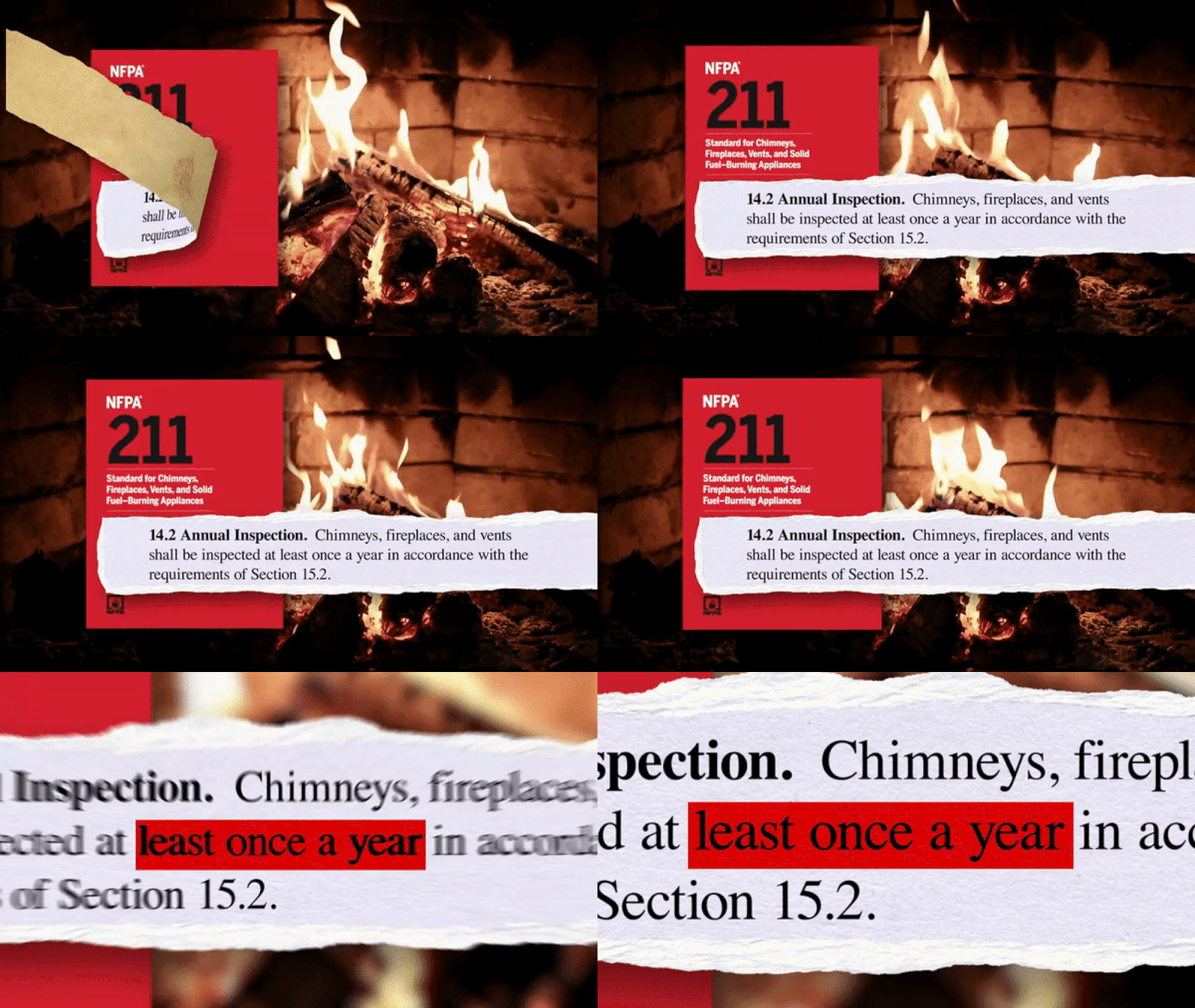
Table of Contents

Chimneys, fireplaces, and dryer vents are often overlooked because problems don’t always present immediate symptoms. Unlike visible appliances, these systems operate partially or entirely out of view, making it easy for buildup, moisture intrusion, or airflow restrictions to go unnoticed.
Annual inspections provide a snapshot of system condition before damage progresses, helping homeowners make informed decisions instead of reacting to sudden failures. Over time, consistent maintenance helps preserve system performance and reduces the likelihood of unexpected repair costs. For homeowners across Metro Atlanta, establishing a consistent annual maintenance schedule is one of the most practical ways to stay ahead of preventable issues as 2026 approaches.
What Annual Chimney and Fireplace Inspections and Cleanings Help Address
Chimneys and fireplaces function as a connected system, meaning issues in one area often affect the other. Annual inspections and cleanings evaluate the entire system, from the firebox to the flue, ensuring buildup, wear, and environmental exposure are identified early. This proactive approach supports better performance, fewer disruptions, and longer system life.
Creosote and Soot Accumulation
Creosote forms naturally when wood burns, and smoke cools inside the flue, leaving behind sticky or hardened residue. Over time, this buildup becomes more difficult to remove and can restrict airflow within the chimney. Annual cleanings allow technicians to remove accumulated creosote before it thickens and hardens, helping maintain proper draft and reducing the likelihood of performance issues escalating.
Draft, Venting, and Performance Issues
Restricted airflow can cause smoke to linger, odors to develop, or fires to burn inefficiently. These issues often stem from buildup, blockages, or structural wear inside the flue. An annual inspection evaluates how well the system vents and identifies conditions that may interfere with proper airflow, helping the fireplace operate as intended.
Moisture Exposure and Masonry Wear
Atlanta’s humid climate exposes chimneys to constant moisture, even when they’re not in use. Water intrusion can deteriorate mortar joints, bricks, and chimney liners over time. Annual inspections help detect early signs of moisture-related wear before cracking or spalling becomes widespread and more costly to address.
Odors and Indoor Air Quality Concerns
Lingering smoke smells or musty odors often indicate buildup, moisture, or ventilation issues within the chimney. These odors may worsen after rain or during periods of inactivity. Routine inspections help identify the source of these odors and address underlying conditions that contribute to poor indoor air quality.
Why Dryer Vent Inspections and Cleanings Are Equally Important
Dryer vents operate year-round and quietly accumulate lint with every load of laundry. Because this buildup happens behind walls or within ducting, it often goes unnoticed until performance issues arise. Annual dryer vent inspections and cleanings help maintain proper airflow and support appliance efficiency.
Lint Accumulation Inside the Vent Line
While lint screens catch some debris, fine lint particles still travel into the vent line. Over time, this material collects along the duct walls and at bends, gradually restricting airflow. Annual cleanings remove this hidden buildup before it becomes severe.
Appliance Performance and Wear
Restricted airflow forces dryers to work harder, leading to longer drying cycles and increased strain on internal components. This added workload can shorten appliance lifespan and improve energy usage. Keeping vents clear helps dryers operate more efficiently and consistently.
Heat and Fire Risk Factors
Lint is highly combustible, and restricted airflow can trap heat inside the vent system. While no service can eliminate all risk, annual inspections and cleanings help reduce conditions that contribute to overheating and ignition by removing accumulated lint and identifying airflow restrictions early.
Why Planning for 2026 Now Makes Sense
Waiting until a problem appears often limits options and increases costs. Planning annual chimney, fireplace, and dryer vent maintenance in advance allows homeowners to spread out care, avoid reactive decisions, and address concerns before they escalate. Treating inspections as part of a long-term home care plan helps create consistency rather than urgency.
Why Atlanta Homes Benefit From Annual Scheduling
Homes throughout Metro Atlanta face unique environmental challenges, including high humidity, heavy seasonal rain, and fluctuating temperatures. These conditions accelerate moisture intrusion, masonry wear, and internal buildup within chimneys and vents. Annual inspections account for these regional factors and help tailor maintenance to local conditions.
Schedule Your 2026 Chimney, Fireplace, and Dryer Vent Services With The Mad Hatter
Annual chimney, fireplace, and dryer vent inspections and cleanings play an essential role in protecting system performance and long-term home integrity. Addressing buildup, moisture exposure, and airflow concerns early helps prevent minor issues from becoming major repairs. Contact The Mad Hatter today to schedule your inspection and take a proactive step toward maintaining your home heading into 2026.
FAQ About Chimney, Fireplace, and Dryer Vent Cleanings
How often should chimneys and fireplaces be inspected?
Chimneys and fireplaces should be inspected annually. Regular inspections help identify buildup, moisture intrusion, and structural wear before problems progress.
Do gas fireplaces still need annual inspections?
Yes, gas fireplaces still require annual inspections. While they burn cleaner than wood, venting, components, and moisture exposure still need to be evaluated.
How do I know if my dryer vent needs cleaning?
Longer drying times, excessive heat, or lint around the dryer can indicate buildup. Annual inspections help confirm vent condition before these symptoms worsen.